Label paper is a speciality paper for labels that must reliably survive moisture, abrasion, temperature change and the print process. Its composition makes it wet-strong, dimensionally stable and precisely printable, from logistics and horticulture to food.
With labels, the material matters: the wrong choice of material for a label puts product identification, brand perception and process reliability at risk. This article explains what to weigh up when choosing a material for label paper.
High-grade label paper is defined above all by three properties:
The combination of cellulose and, where required, synthetic fibres gives the paper the tear resistance, dimensional stability and printability it needs, even under changing conditions. In industrial label printing, that reliability often counts for more than the raw material price: a label that fails in use costs far more than the paper it was printed on.
A label has two jobs to do at once, and they pull in opposite directions. The base material has to resist everything the environment throws at it, while the surface still has to take print cleanly. Push the focus too far towards resistance and it prints less well; optimise it for print alone and it fails in the field. A good label paper is the point where those two demands meet.
"A good speciality label needs robustness above all. One example is seawater-resistant labels. Industry needs them wherever products and materials are exposed to harsh environmental conditions, particularly in shipping.
The internationally recognised BS 5609 standard establishes the seawater resistance of labels developed specifically for the marine transport of hazardous goods. Two things are tested: the unprinted label material for its resistance to abrasion, chemicals and salt water, and the printed image, for whether it stays legible after prolonged contact with salt water.
Labels like these have to meet statutory requirements. That is what keeps critical information such as hazard markings legible even after months in seawater." Jochen Schanzenbächer, Head of Product Development at Lahnpaper
That test captures the whole problem in one image. Months of contact with seawater place high demands on durability and legibility. It is not enough for the paper to be tough or for the print to be sharp. The two have to be matched to each other.
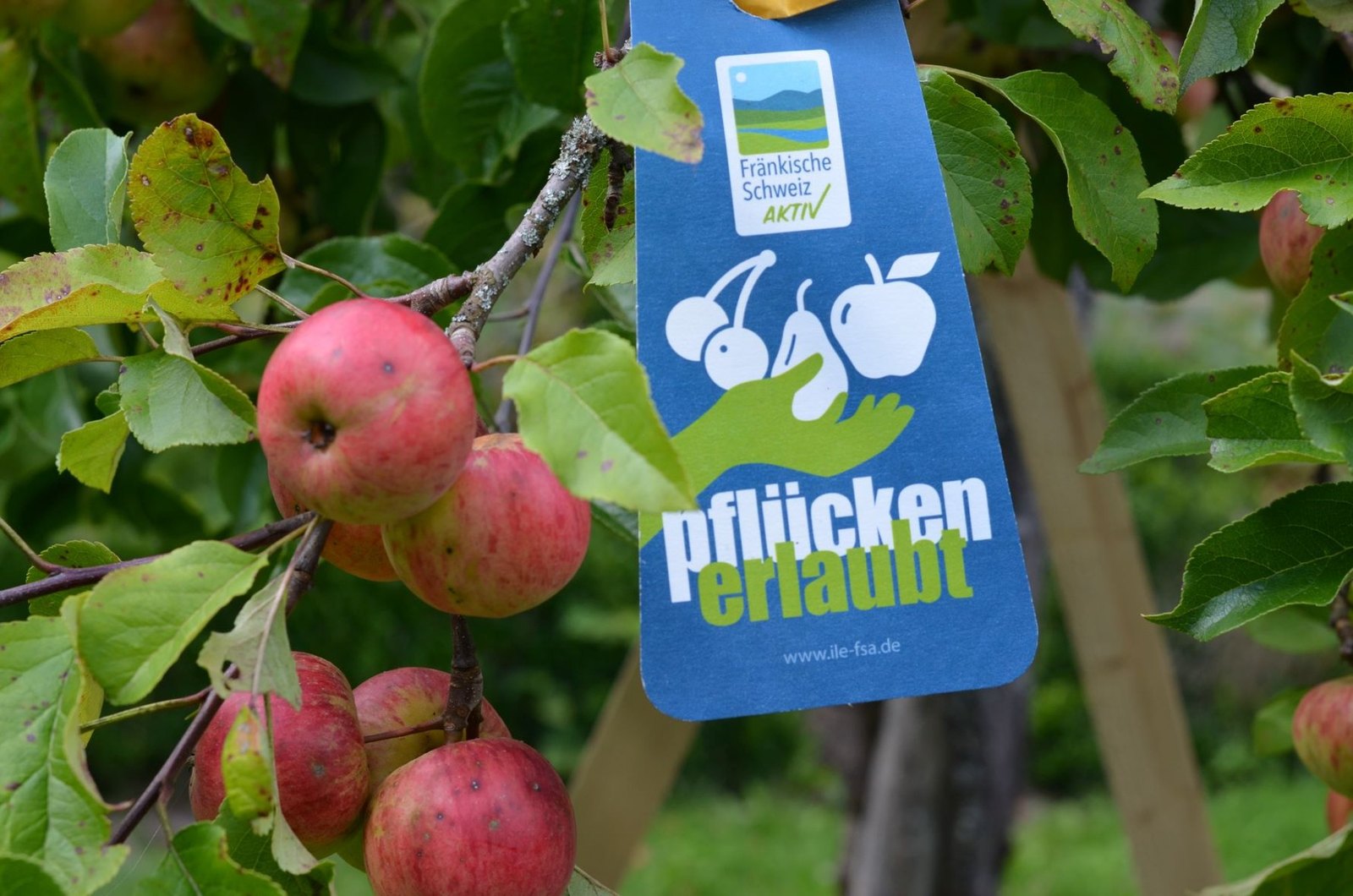
A second example shows how label paper can be tuned to a specific requirement rather than a generic one. Hermann Meyer KG, a specialist wholesaler for the horticultural sector, has used recyclable plant labels made of lahnur® since 2023. They are printed in part or over the full area and personalised digitally with a barcode, and are intended for short- to medium-term marking.
The value is in the combination: lahnur® is recyclable and keeps a distinctive feel. For customers to whom the circular-economy angle matters, the result is a recyclable label that still prints cleanly.
Different uses place very different demands on a speciality label. Typical fields include:
For labels under particular stress, such as race numbers or technical marking, Lahnpaper's durable printing substrates are worth a look.
The choice starts with a clear definition of the requirements:
Most label problems arise not at the printer, but at the material decision before it. Four mistakes come up especially often:
The surest way past all of these is an early sample test: check material, surface and printability in your own process before the run starts.
Depending on the requirement, different substrates come into play.
pretex® is an impregnated speciality paper for high load and moisture: waterproof, tear-resistant and resistant to ageing and temperature. Ideal for robust logistics and outdoor labels. See the pretex® product page.
lahnur® combines durability with recyclability and a natural feel, suited to high-quality hangtags and applications with a circular-economy requirement. See the lahnur® product page.
cuturon® is a soft non-woven with a textile feel, suitable among other things for labels in food contact; selected grades are ISEGA-certified for direct food contact. See the cuturon® product page. Selected grades are available FSC®-certified on request.
Whether logistics, horticulture, food or retail, the right label paper determines legibility, durability and brand perception. The best grade depends on the application, the environmental conditions and the print process.
We are happy to help you find the right material and send samples to test. Request a sample pack and choose the right label paper for your project.
Which label paper suits outdoor use? Wet-strong, tear-resistant speciality papers such as pretex® suit outdoor use, withstanding moisture, UV light and abrasion while staying dimensionally stable.
Is there label paper for food contact? Yes. For direct food contact, purpose-certified materials apply: all standard white pretex® grades, coated and uncoated, are ISEGA-certified, as are selected cuturon® grades.
Which print processes work with label paper? Label papers are generally suited to reel, offset, digital and thermal-transfer printing. What matters is matching material, surface and process to the specific application.
Are there recyclable labels? Yes. Recyclable labels, for example made of lahnur®, suit short- to medium-term marking.
HEADQUARTERS
Lahnpaper GmbH
Auf Brühl 15-27
56112 Lahnstein
Germany
Phone: +49 2621 177-0
info@lahnpaper.de
POSTAL ADDRESS
P.O. Box 2178
56108 Lahnstein
Germany
GOODS RECEPTION & LOADING TIMES
Mon to Fri from 7am to 2pm